Find Your Line in the Alps with Map and Compass
Set out across high passes and hidden valleys as we explore analog wayfinding in the Alps—paper maps, trusty compasses, and practical route‑finding habits. Expect clear explanations, field‑tested tips, and heartfelt stories that turn contour lines into choices, bearings into confidence, and classic mountain craftsmanship into safer, richer journeys. Share your own lessons and subscribe for upcoming field drills that keep your skills fresh, humble, and ready.
Reading the Land: Mastering Topographic Maps
Topographic maps reveal the Alps like a living sculpture, where spacing, shading, and symbols describe cliffs, cols, and gentle meadows. We will translate contours into gradients, align landmarks with reality, and time our progress with scale, so your planning shifts from uncertainty to thoughtful, grounded decisions.
Taking and Transferring a Bearing
Align the edge with your map route, rotate the bezel to grid north, then adjust for declination before lifting the line to the landscape. Sight a distinct feature, lock elbows, and walk deliberately. Transfer back to the map often to confirm intention and refine intermediate checkpoints.
Following a Bearing in Poor Visibility
Use a distant pointer when possible; otherwise leapfrog between near objects that lie on the line. Pace count between features, feel slope underfoot, and keep a catching feature in mind. If drift accumulates, reset calmly, accepting small corrections before they become consequential.
Declination across the Alpine Arc
Magnetic variation in the Alps is modest yet important, commonly between one and five degrees east, shifting over time and by location. Look up a current value before you travel, mark it on the map, and rehearse the math until it feels automatic under pressure.
Precision with the Compass
With a clear baseplate, rotating bezel, and steady hands, a compass transforms mountains into understandable geometry. You will take, set, and follow bearings; correct for small but meaningful declination; and keep lines honest when fog wraps the ridges, letting quiet technique replace hurried guesswork and risky detours.
Route-Finding Between Peaks and Passes
Beyond bearings and symbols lies judgment: choosing lines that conserve energy, avoid unnecessary exposure, and embrace beauty. We will blend handrails, attack points, and catching features with seasonal realities and human factors, building calm routines that anchor decisions when the sky turns, companions tire, or plans evolve.
Handrails, Backstops, and Aiming Off
Rivers, ridges, and tracks make reliable companions when visibility fades. Intentionally aim to one side of a subtle col so you know which way to turn upon arrival, then use a strong backstop to halt overshoot. These simple patterns reduce stress and sharpen your choices dramatically.
Micro-Navigation on Broken Ground
On moraine or shattered limestone, pace and bearings alone feel slippery. Break the leg into tiny hops anchored by boulders, gullies, and vegetation edges, sketching each on the map margin. Frequent, humble resets maintain orientation, preserve group trust, and turn intimidating chaos into manageable, almost playful problem‑solving.
When the Plan Must Change
Alpine days rarely follow straight lines. Monitor time, weather, and morale, and be willing to switch to a shorter loop, safer pass, or hut retreat well before pressure mounts. Communicate options early, invite input, and treat altered objectives as practiced wisdom rather than personal defeat.
Mountain Weather, Snow, and Objective Hazards
Classic tools shine only when matched with honest assessments of conditions. Learn to read cloud development, anticipate katabatic winds in glaciated valleys, and interpret snow history at different aspects and elevations. We will build choices that respect rockfall, crevasse zones, late‑season ice, and thunder, without surrendering curiosity or joy.
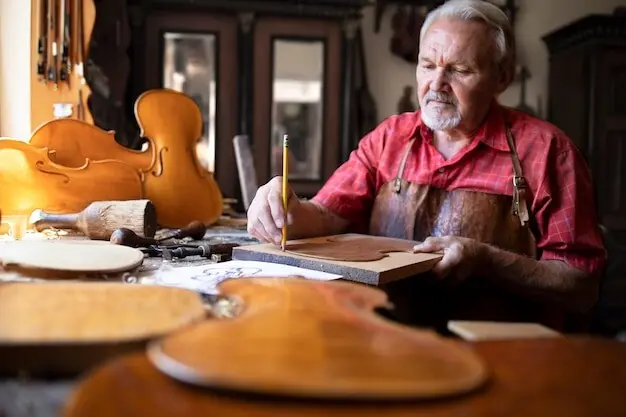
Morning: Sketching the Line over Coffee
We spread a 1:25,000 sheet, circled handrails, and penciled timings beside contour kinks. A conservative variant curved beneath cliffs for insurance. Roles were chosen—lead navigator, timekeeper, and morale captain—so the group shared responsibility and could challenge assumptions before the first boot left dew‑dark grass.
Midday: Corrections in a Moving Cloud
A white curtain rolled over the ridge, stealing confidence and bearings alike. We shortened legs, aimed off to a reliable stream, and leapfrogged between cairns. The pause to re‑plot restored calm, and laughter returned when the map matched footsteps again, turning worry into useful momentum.
Evening: Lessons Beside the Stove
At the hut we annotated the route, logged pacing errors, and thanked the compass for catching drift above the pass. Inviting others to share missteps sparked community and practical wisdom. Add your own notes below; teach us what your ridges revealed when clouds lingered.
Essential Analog Kit and Preparation
Well‑chosen tools and rituals keep analog navigation elegant under pressure. We will compare map series, highlight compass features that truly help, and add small accessories that extend precision. Packing checklists and labeling habits reduce faff, protect focus, and ensure your attention stays on the mountains, not your pockets.
Choosing Reliable Maps
In the Alps, SwissTopo, Kompass, and Tabacco sheets each offer strengths. Compare contour clarity, trail updates, and paper durability, then select a waterproof case with an easy fold. Carry a spare of crucial areas. Annotate hut phone numbers, water sources, bus timetables, and seasonal closures for resilient planning.
What Matters on a Compass
Look for a stable needle, clear baseplate markings, a grippy bezel, declination adjustment, and a sighting mirror for precise headings. A clinometer helps judge slope. Attach a lanyard sized for gloves. Practice with it weekly so motions become graceful, saving energy when decisions arrive stacked and urgent.
Analog Extras that Pay Dividends
A barometric altimeter, pace beads, soft pencil, and small ruler amplify accuracy without screens. Mark altitudes at known junctions, tally steps on long legs, and sketch rough profiles. A whistle, compact first‑aid kit, and reflective tape handle surprises while your judgment keeps the day purposeful and safe.