Grain at Altitude: Life on Film

Step into Film Photography of High Country Life: Capturing Mountain Communities Without Digital Gear, where stories breathe through silver and chemistry, not screens. We’ll hike past treeline, listen before we photograph, and build trust with people whose days begin before sunrise and end long after the valley lights blink out. Expect practical guidance, honest anecdotes, and heartfelt images shaped by wind, patience, and careful metering, celebrating craft, endurance, and the quiet dignity found on ridgelines, in tea houses, and along weathered switchbacks.

Packing a Camera Bag for Thin Air

Elevation magnifies every choice, so simplicity wins. Mechanical cameras shrug off cold, dependable lenses resist dust, and a lean kit saves breath on steep trails. We’ll balance weight against reliability, prepare backups for fickle weather, and keep essential tools reachable without digging through layers. Thoughtful packing frees your attention, letting you greet a neighbor’s wave or unexpected sunrise flare with steady hands and an uncluttered mind.

Choosing Reliable Bodies and Lenses

Fully mechanical SLRs and rangefinders excel when batteries sulk in the cold. Metal shutters, clear viewfinders, and prime lenses with deep focus scales simplify decisions as the air thins. A 35mm for context and a 50mm for intimacy cover most situations, while a lightweight 90mm honors distant peaks without demanding a tripod. Fewer moving parts mean fewer surprises when frost creeps under the strap.

Film Stocks That Thrive Above Timberline

Latitude matters when snow blinds meters and shadows swallow faces. Ilford HP5+ and Kodak Tri-X forgive missteps and push smoothly for storm-dark afternoons. Portra 400 handles mixed light in cabins warmed by stoves and laughter. Ektar 100 rewards crystalline mornings with etched detail and saturated skies. Pack redundancy, store rolls in sealed bags, and label exposures carefully when gloves and wind conspire to scatter attention.

Mastering Exposure in Snow, Stone, and Sky

In mountains, light changes with every stride. Slate clouds erase contrast, then a sunburst blazes along a glacier, tricking reflective meters. We’ll lean on incident readings, mindful compensation for bright snowfields, and disciplined bracketing when a single expression matters. Embracing patience, pre-visualization, and deliberate pacing turns harsh conditions into luminous allies that reveal weather, work, and community rituals without crushed shadows or chalky highlights.

Reading Light Without Screens

Trust your eye, then verify with a meter you understand by feel, not menus. Read off cheeks, not glittering drifts. If you must estimate, let Sunny 16 guide you, nudging exposure one to two stops brighter for snow-framed portraits. Keep notes, compare negatives, and learn the mountain’s moods, because repetition teaches faster than any chart, especially when fog rolls in and moments grow precious.

Dealing with High-Contrast Noon and Moody Storms

At noon, granite and sky stretch dynamic range until film begs for mercy. Seek open shade, turn subjects slightly, or wait for a cloud to soften everything. During storms, meter for faces and allow backgrounds to deepen, revealing shape without losing honesty. Filters help: a yellow-green whispers texture from grass, while a polarizer tames glare on lakes. Patience remains the most powerful tool you carry.

Bracketing Smartly When Every Frame Counts

Film is finite, yet mountain moments disappear even faster. Bracket with intention: anchor one exposure for skin, one for environment, and one generous safety if wind or reflective snow complicates readings. Mark the sequence in your notebook, not just on memory. Later, your contact sheet will reveal what instinct learned, strengthening craft without waste, and every cautious click will feel like a respectful handshake.

Stories from the Switchback

Pictures mean more when paired with footsteps and names learned between breaths. These field notes recall real frames made far from outlets: the soft rasp of wool on a fencepost, a yodel bouncing between ridges, the smell of pine smoke drifting through portraits. Each encounter reminded us to listen first, lift the camera slowly, and let grain carry the quiet laughter and long labor of neighbors.

Ethics and Trust in Tight-Knit Valleys

Mountain communities remember who returns prints and who vanishes. Respect grows from conversation, names learned correctly, and photographs made collaboratively, not harvested. We’ll explore consent, reciprocity, and the value of leaving before overstaying. Honest intent shows in gestures: lowered camera, shared time, and eyes that listen. When relationships lead, images follow, grounded in dignity rather than spectacle, carrying gratitude in every fiber of the paper.

Permission, Reciprocity, and Small Gifts

Ask softly, accept refusals, and honor boundaries with real follow-through. A postcard from your last visit, a small print, or a shared thermos breaks ice more kindly than any lens. Explain your process plainly, including how and where images might appear. Reciprocity feels less like payback and more like partnership, where a portrait becomes a conversation that continues long after the shutter closes and boots dry.

Participatory Portraits Instead of Extractive Gaze

Invite your subjects to choose locations, tools to hold, and moments to represent their work. Show contact sheets, discuss crops, and ask what feels true. When people influence decisions, authenticity deepens, and photographs gain a steadier center. This approach takes longer, but trust has no shortcut at altitude. The resulting frames carry shared authorship, reflecting not just place, but agency, humor, and the rhythm of daily life.
Keeping Cameras Alive in Cold, Dust, and Rain

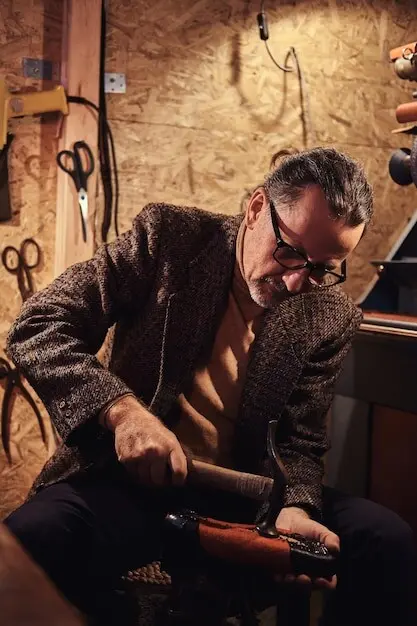
Altitude exposes gear to extremes: freezing dawn, sudden sleet, talc-fine dust on mule trails. Preventive care beats emergency fixes. We’ll protect shutters from condensation, choose lubricants that won’t thicken, and seal film against humidity. Repairs happen with tape, patience, and gentle breath. With simple rituals—drying, brushing, and careful packing—your camera remains dependable company as clouds race and village bells ring across the valley.
Moving from cold air to warm cabins fogs glass and breeds moisture where mechanisms sleep. Bag your camera before entering, let temperatures equalize, and wipe slowly with a clean cotton cloth. Skip heavy oils that stiffen in frost; choose light, camera-safe lubricants sparingly. Check leatherette for peeling, because a loose grip invites drops. Small habits protect big moments when breath hangs visible and shutters whisper.
A door seal fails; wind whistles through. Black gaffer tape saves a roll and calms nerves. A screwdriver from a multitool tightens a shoe wobbling above an old prism. Work slowly, note positions, and resist forcing parts that prefer persuasion. Field fixes are temporary, but they respect momentum, letting you focus on neighbors hauling hay or children racing sleds instead of nursing regrets over missed frames.

Darkroom on the Road: Portable, Simple, Reliable

Developing Tanks by Headlamp

A red headlamp at its dimmest keeps hands honest without fogging film. Practice your sequence until it feels like tying boots in the dark. Count inversions aloud, tap to release bubbles, and breathe steadily through the stand. When the timer chimes, confidence replaces guesswork. Watching negatives emerge by lantern becomes its own reward, proof that craft still thrives without sockets humming or screens blinking back.

Water Quality, Temperatures, and Altitude Adjustments

Meltwater runs pure yet cold, demanding insulation to hover near twenty degrees Celsius. Use nested bottles, keep chemistry warm inside jackets, and compensate gently if temperatures drift. Altitude lowers boiling points, but you rarely need boiling—just stability. Log every variable. Consistency preserves tonality across days, so portraits match even when weather swings. Your notebook becomes a compass, guiding repeatable results in places maps barely name.

Contact Sheets that Spark Community Conversations

Lay negatives in a sleeve, expose on a simple bulb, and produce contact sheets that travel easily in an envelope. Around a table, people point, laugh, and correct your notes while steam curls from mugs. Mark favorites together for future prints. This shared review honors memory over spectacle, building collaborations where selections arise from lived experience, and each checkmark feels like a joint promise to return.

Composing with Wind, Silence, and Steep Horizons

Composition at altitude rewards restraint. Wind insists on clarity of intent; silence reveals subtle gestures; steep horizons challenge balance. We’ll work foreground textures, align lines with labor and land, and accept motion blur when it speaks truth. Imperfections—flare, grain, a sleeve edge—often strengthen honesty, placing the viewer on that path, with that family, breathing that air, hearing those bells ring across stone.

Prompt: One Roll, One Village, One Week
Limitations sharpen attention. Choose a single camera, one roll, and a place small enough to learn names by day three. Photograph work, rest, and weather with equal respect. Share contact sheets, not just selects, and reflect on what you missed. This practice builds intention, stamina, and empathy, teaching you to see beyond spectacles toward relationships that endure longer than any passing, spectacular sunset ever could.

Subscribe for Field Notes and Printable Checklists

Sign up to receive seasonal packing lists, exposure cheats for snow and storm, and darkroom adjustments for chilly cabins. We send stories that pair mistakes with solutions, plus behind-the-scenes contact sheets you can study like maps. Replies open a conversation, and suggestions shape future posts. Together we refine process and protect the trust that lets quiet pictures grow from sincere, unhurried attention.
Naririnolentofarinexopira
Privacy Overview

This website uses cookies so that we can provide you with the best user experience possible. Cookie information is stored in your browser and performs functions such as recognising you when you return to our website and helping our team to understand which sections of the website you find most interesting and useful.