Mountain Hands, Everyday Marvels

Today we journey into Traditional Alpine Craftsmanship: Wool, Leather, and Ironwork for Everyday Use, tracing how highland families turned fleece, hide, and glowing steel into humble objects that outlast storms and seasons. Expect practical wisdom, lived stories, and small actions you can try at home.

High Valleys, Enduring Skills

Life above the tree line demanded ingenuity, and skills flourished where roads ended. Generations learned to read weather, save scraps, and shape materials with patience. Around kitchen tables, tools shared space with bread and maps, while elders turned chores into lessons about resilience, neighbors, and careful, beautiful utility.

Wool That Shelters and Breathes

From wiry mountain sheep came fibers built for mist, sleet, and fierce sun. Spinners coaxed softness from resilience; fullers harnessed water and rhythm; knitters shaped warmth to move with the body. The result resisted rain, wicked sweat, muted odor, and welcomed repair, becoming trusted company on long climbs.

From Flock to Fleece

Shearing days felt like festivals, with wooden benches, quick hands, and pots of mint tea. Cleaned locks met the carders’ combing clouds; spindles hummed beside doorways. Alpine plants, from walnut hulls to dyer’s broom, gave color, while children learned twist, ply, and pride in evenly drawn thread.

Loden and Felt Mastery

Fabric thickened through fulling stones and pounding feet, tightening against wind and trickle. Loden shrugged off drizzle and brush while remaining breathable on steep ascents. Felted boots, insoles, and hats cushioned strides and sheltered ears, making journeys possible when cliffs threw back cold like polished mirrors.

Mending for Longevity

Toe caps were darned before holes widened; elbows received neat patches that bragged about seasons served. A darning mushroom, lantern, and quiet bench turned wear into memory. Repair strengthened fibers and families alike, keeping treasured garments working while teaching patience, thrift, and artistry stitched in steady rhythms.

Leather Shaped by Weather and Work
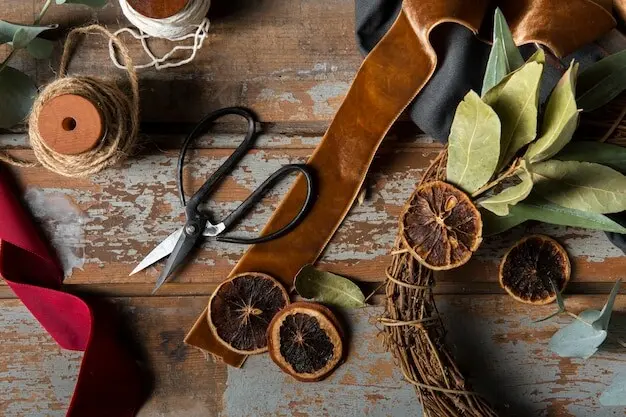
Cattle, goats, and red deer offered hides that remembered storms. Tanners steeped them slowly in bark liquors, then stretched, burnished, and greased until fibers aligned for strength. Boots, belts, satchels, aprons, and protective cuffs emerged, flexing with motion yet guarding skin against rope, stone, snow, and heat.

Forge as Village Heart

Early mornings began with bellows sighing and iron reddening like sunrise. Neighbors traded news while waiting for mended tools or new nails. Between shoeing horses and repairing stoves, the smith recorded needs of fields and kitchens, adjusting technique as seasons shifted chores from sowing to snow.

Edges That Feed Families

Scythes, sickles, and billhooks turned grass into winter security. A perfect temper rang when brushed by a fingernail; a good peen promised fewer breaks. Sharpening stones traveled in pockets, and quiet maintenance stretched harvest windows when clouds gathered, ensuring hay dried sweet before storms arrived.

Design for Use, Beauty in Restraint

Purpose guided every curve and seam. Handles fit mittened hands; seams avoided chafe; weights balanced endurance with agility. Decoration whispered through subtle tooling, a stitched edelweiss, or a carved rosette. Utility became its own elegance, revealing choices refined by exposure, thrift, and affection for honest materials.

Carry It Forward Today

Mountain wisdom thrives when we practice it. Visit working shops, choose locally made essentials, and learn small repairs. Keep wool functional with brushing and rest, oil leather thoughtfully, and dry iron tools carefully. Share stories, ask questions, and support makers whose livelihoods protect landscapes and cultural continuity.

Start with Your Hands

Try carding a handful of fleece, burnishing a belt edge, or bending a simple wall hook. Libraries and community shops host patient mentors; makers publish guides generously. Small successes build confidence, and mistakes become teachers, turning curiosity into durable habits that reduce waste and increase everyday satisfaction.

Buy Better, Keep Longer

Before purchasing, ask who made it, how it was tanned or woven, and whether parts are repairable. Look for sturdy stitching, replaceable soles, and thoughtful design. Paying fairly fuels stewardship, helping alpine families maintain flocks, forests, and forges that safeguard biodiversity, water sources, and enduring regional knowledge.
Naririnolentofarinexopira
Privacy Overview

This website uses cookies so that we can provide you with the best user experience possible. Cookie information is stored in your browser and performs functions such as recognising you when you return to our website and helping our team to understand which sections of the website you find most interesting and useful.